
Kenya vs. Tanzania – Which African Safari is Right for You?
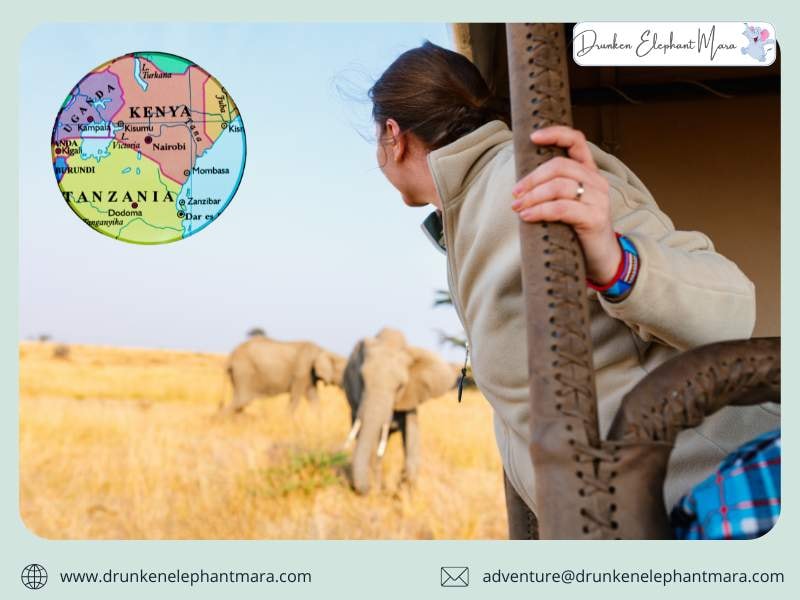
Are you planning a safari adventure in Kenya or Tanzania? If yes, then two popular destinations stand out i.e. Kenya’s Masai Mara National Reserve and Tanzania’s Serengeti National Park. Both are known for their breathtaking wildlife species, spectacular landscapes, and wonderful safari experiences. But these destinations offer unique adventures. Please check out this blog post and know how to make the right choice:
Wildlife and the Great Migration
The Masai Mara and Serengeti are the home to the majestic Big Five—lion, leopard, elephant, buffalo, and rhino. These species make them prime safari destinations. The Great Migration is a phenomenon which occurs when over 1.5 million wildebeest and zebras traverse the plains. This phenomenon offers a shared spectacle with distinct experiences.
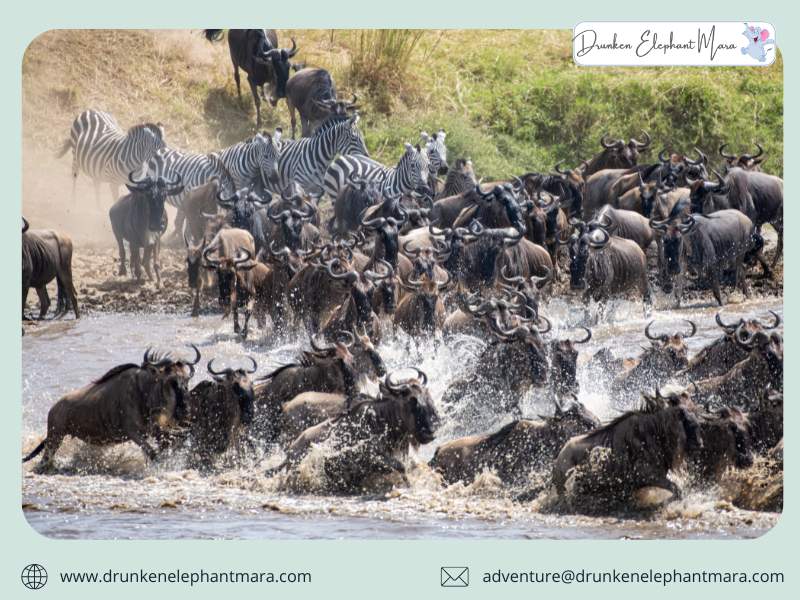
In the Masai Mara National Reserve, the migration peaks from July to October with dramatic river crossings at the Mara River, where crocodiles await. The game drives in Masai Mara during this period offer front-row seats to this thrilling natural extravaganza.
At Drunken Elephant Mara
Stay and do this at the camp
20 rooms under canvas in natural forest, about two kilometres from Sekenani Gate.

Experience
Game drives
Morning, afternoon and full-day drives into the Maasai Mara in search of the big five.
View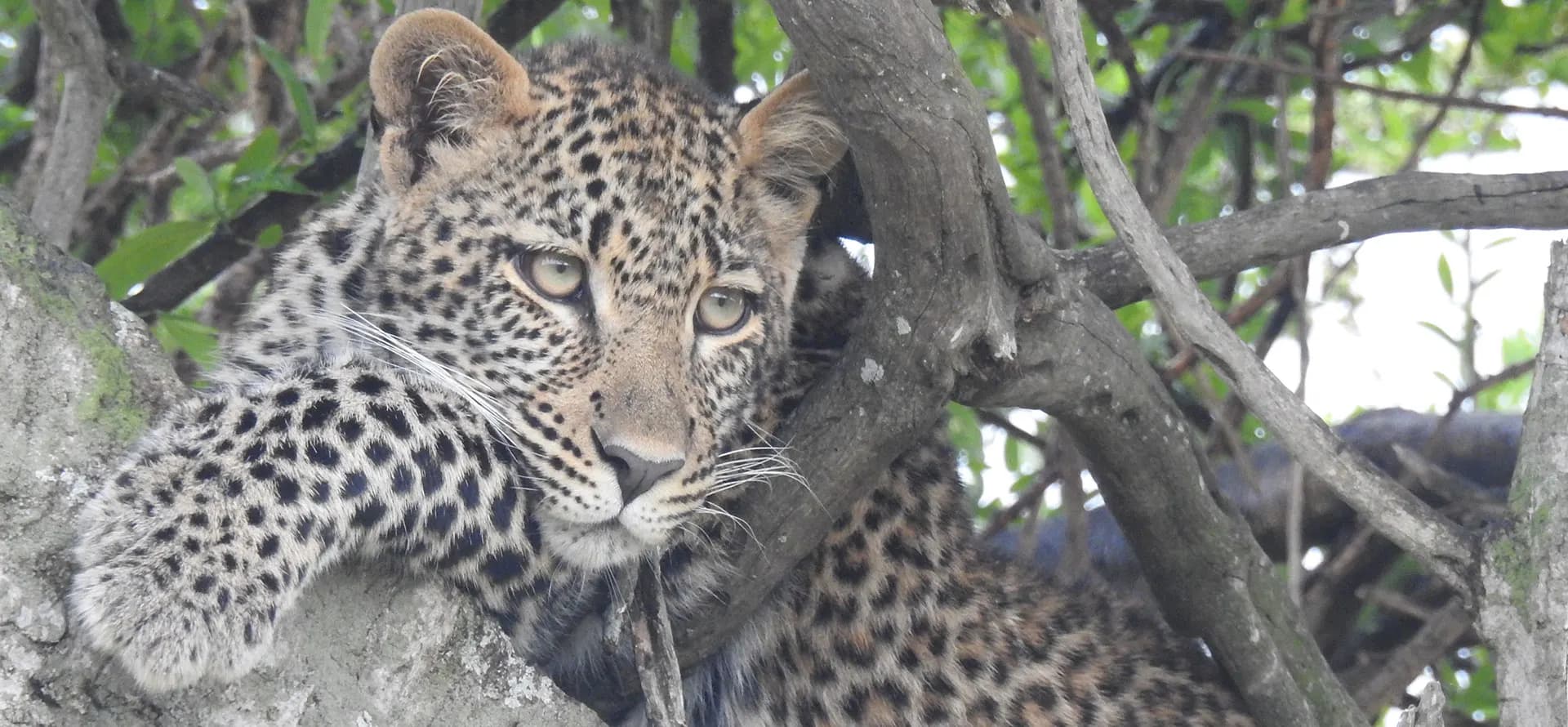
Safari · 3 nights / 4 days
Maasai Mara — 3 Nights
Two full days in the Mara by road from Nairobi, with a visit to a nearby Maasai village.
View
Stay · Sleeps 2
Double Tent
An elevated canvas tent for two, with its own verandah and en-suite bathroom.
View
Experience
Maasai village visit
Visit a nearby Maasai village and meet the community.
View
The Serengeti covers a larger area and hosts the migration from December to June with calving season in February drawing predators like cheetahs. If timing your trip for the migration is essential, the best time to visit Masai Mara is in late summer while the Serengeti shines during early spring.
Landscapes and Game Drives
The Masai Mara’s rolling savannahs are dotted with acacia trees that create an intimate safari setting. The game drives provide flexibility with off-road driving allowed in some areas, which allows you to get closer to wildlife. The compact size of the reserve means less driving time and more animal sightings.
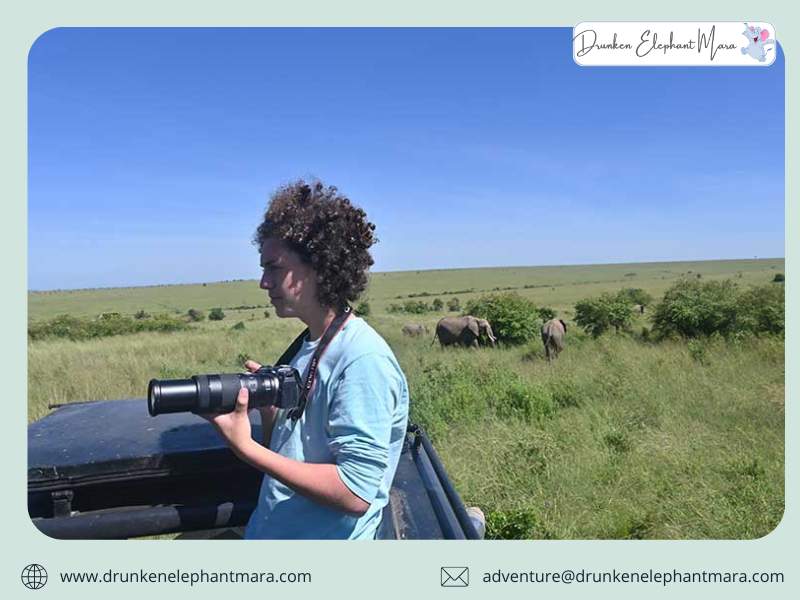
Conversely, the Serengeti’s expansive plains stretch over 14,750 square kilometers and offer diverse ecosystems ranging from woodlands to grasslands. Its sheer scale can mean longer drives, but the variety of landscapes is unmatched. Both these safari destinations offer morning, evening, and full-day game drives; but the Masai Mara’s smaller size matches travelers seeking quick, action-packed safaris.
Cultural Experiences
Kenya’s national reserves focus on cultural immersion, especially with the Masai people. Visitors can engage in village tours, and learn about Masai traditions, crafts, and dances. This cultural depth can enrich your Kenya safari experiences, especially in the Masai Mara. Tanzania’s Serengeti offers some cultural tours with tribes like the Hadzabe and focuses more on wildlife. Kenya’s cultural edge makes it perfect for travelers looking to combine wildlife and human connection.
Accessibility and Budget
The Masai Mara National Reserve is more accessible from Nairobi, with a 45-minute flight or a 5-hour drive, and is a convenient choice for shorter trips. Budget options range from campsites to luxury lodges to accommodate different preferences.
The Serengeti National Park is accessed through Arusha or Kilimanjaro, which often requires longer travel and increasing costs. Tanzania’s park costs remain higher, but its lodges can be more affordable than Kenya’s high-end camps. For cost-conscious travelers, the Masai Mara offers more cost-effective Masai Mara game drives.
Choosing Your Safari
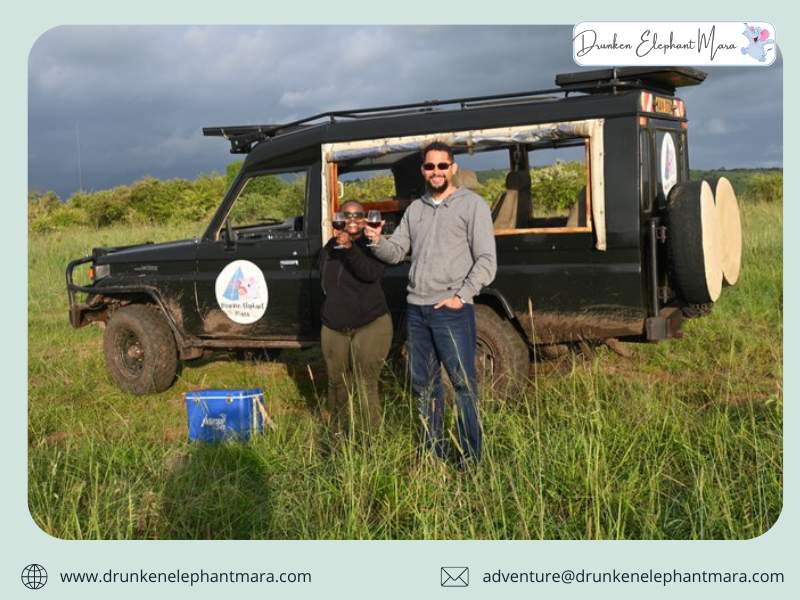
You can choose the Masai Mara for compact, action-packed safari adventures, cultural immersion, and budget flexibility, especially from July to October. You should opt for the Serengeti for its vast landscapes, diverse ecosystems, and migration viewing from December to June. Both these destinations promise unforgettable experiences. But your choice depends on timing, budget, and whether you prioritize wildlife or cultural depth.
Plan your safari today with Drunken Elephant Mara and let us help you witness the wild heart through our perfectly-curated East African safari tours. Please check out our Masai Mara walking safari tour and Masai Mara village tour package for wonderful safari experiences.
Questions guests ask
When is the best time to visit the Masai Mara?
July to October is peak season, when the Great Migration’s wildebeest and zebra are generally in the Mara — with the chance of river crossings at its highest in August and September, though the Mara follows no script and no sighting can be promised. January to March is dry with good predator viewing and fewer vehicles; April and May bring the long rains — green, quiet and better value. Resident wildlife is here all year.