
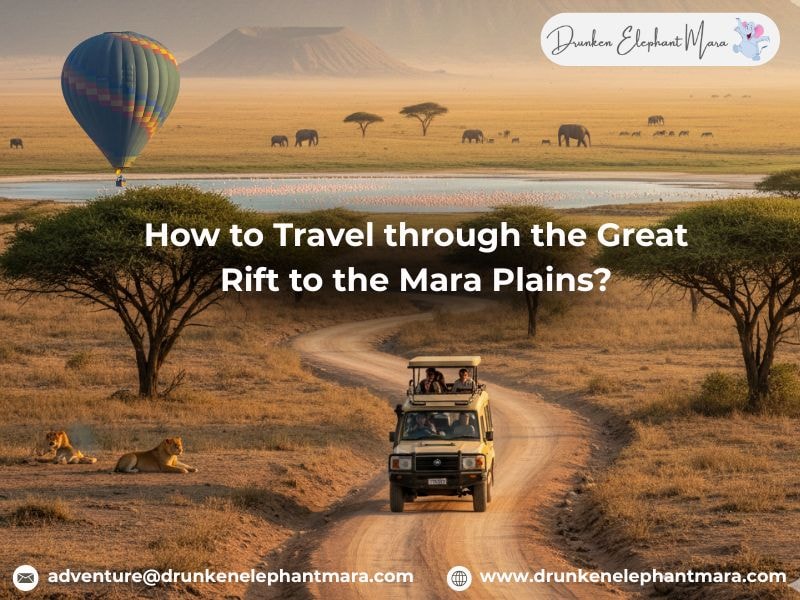
Few places can capture the untamed beauty of Africa like the Great Rift Valley in Kenya. Expanding throughout the country’s landscape, the valley forms a breathtaking corridor of highlands, lakes, and wildlife reserves that lead straight to the iconic Masai Mara. For travelers seeking adventure and connection with nature, this region offers an unforgettable journey through one of Earth’s most remarkable ecosystems.
The Living Landscape of the Great Rift Valley
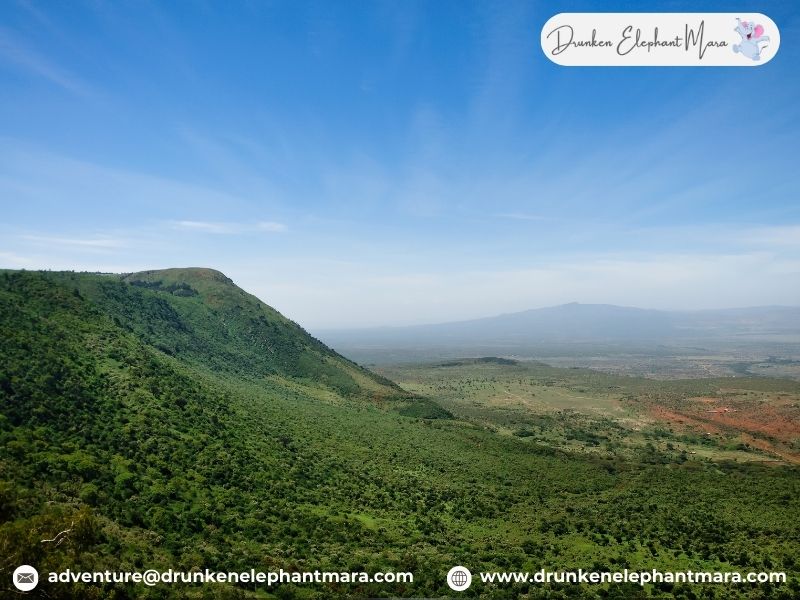
The Great Rift Valley in Kenya is a geologic wonder that tells a story millions of years in the making. Towering escarpments, volcanic craters, and shimmering alkaline lakes define this expansive landscape.
Along the way, Lake Naivasha and Lake Nakuru stand out as the main highlights, teeming with birdlife, hippos, and plains game. These areas offer an inviting prelude to the deeper wilds of Kenya’s well-known game reserves.
At Drunken Elephant Mara
Stay and do this at the camp
20 rooms under canvas in natural forest, about two kilometres from Sekenani Gate.
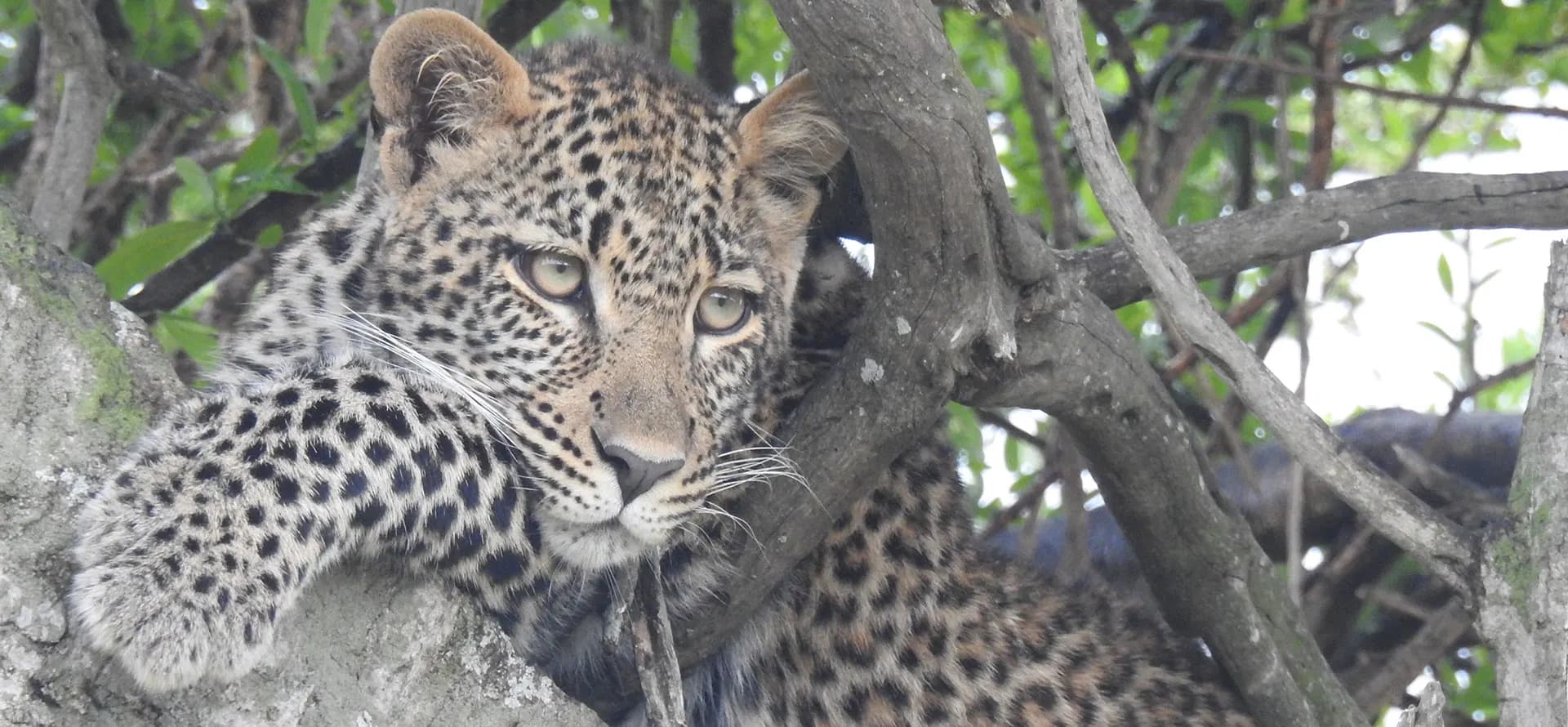
Safari · 3 nights / 4 days
Maasai Mara — 3 Nights
Two full days in the Mara by road from Nairobi, with a visit to a nearby Maasai village.
View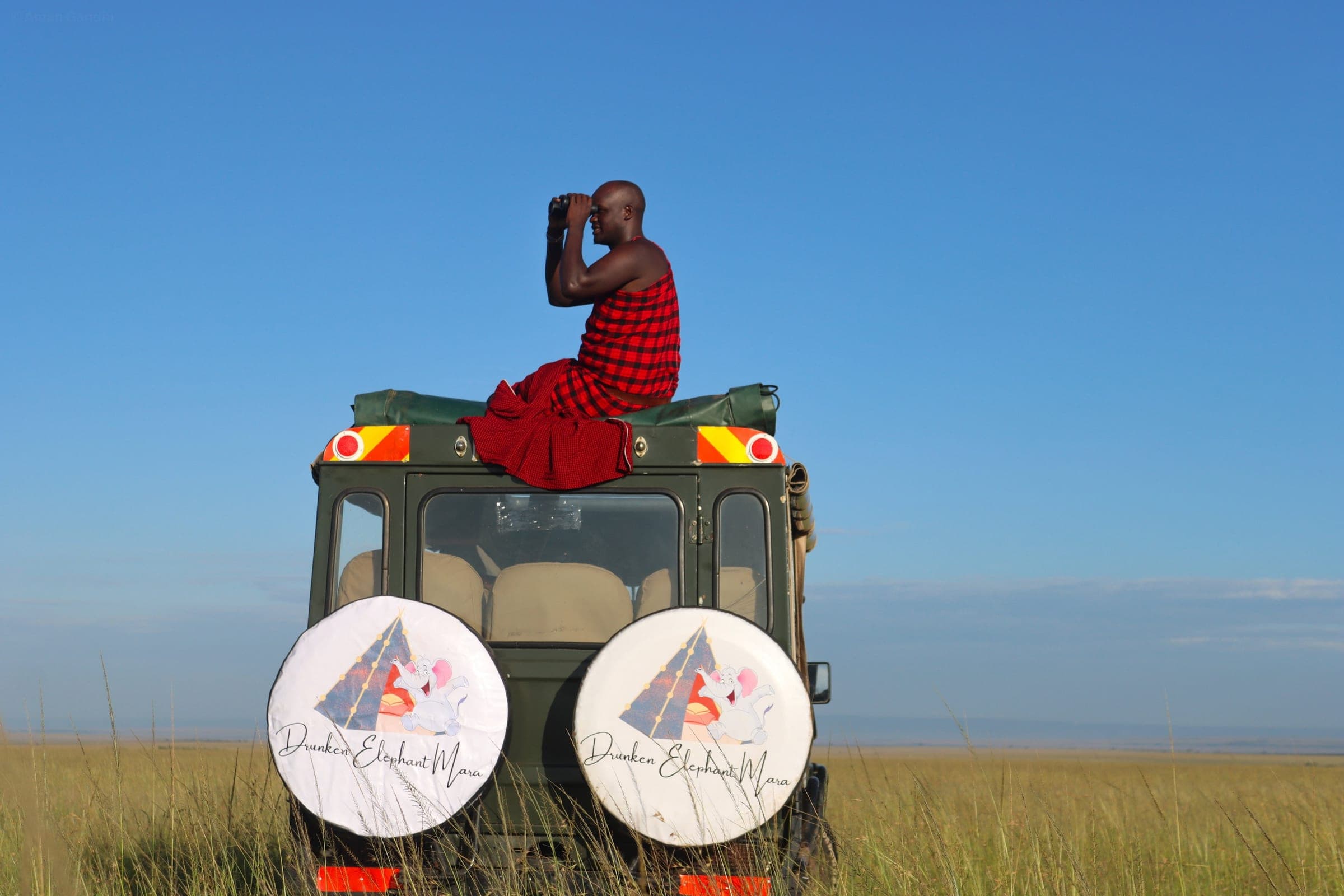
Experience
Game drives
Morning, afternoon and full-day drives into the Maasai Mara in search of the big five.
View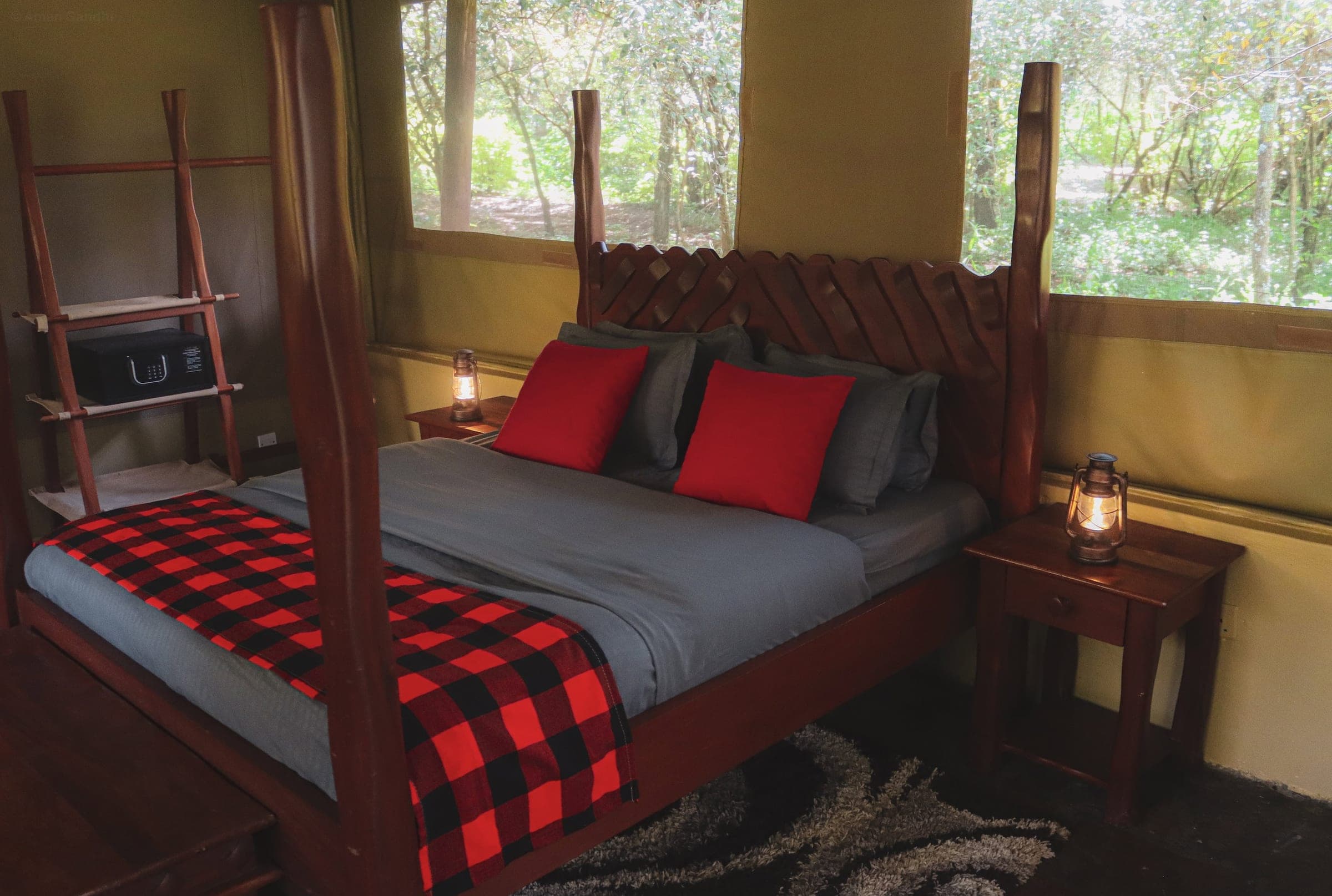
Stay · Sleeps 2
Double Tent
An elevated canvas tent for two, with its own verandah and en-suite bathroom.
View
Experience
Guided nature walks
The bush at walking pace: tracks, plants and birdlife, with a guide.
View
Crossing to the Masai Mara Plains
A journey through the Great Rift Valley feels incomplete without reaching the Masai Mara, Kenya’s most celebrated safari destination. The transition from the valley’s lakeshores to the Mara plains is magical, as acacia-dotted savannahs expand endlessly toward the horizon. Most travelers join Masai Mara game drives at dawn and see how lions stalk the grasslands and elephants march toward watering holes. It’s here that the call of the wild feels alive.
Guided Encounters and Cultural Discovery
Apart from spectacular wildlife, the region offers travelers an opportunity to engage with Kenya’s cultural heart. Visits to local Maasai villages tell stories of heritage, resilience, and harmony with the land.
Guided African safari tours often include stops and allow guests to learn about traditional crafts, music, and community conservation efforts. These moments can bring depth and understanding to the adventure, which is an authentic window into life within the National Reserves in Kenya.
Adventures within the Game Reserves
Each of Kenya’s game reserves and parks tells a unique story. From the flamingo-filled shores of Lake Bogoria to the predator-rich Ol Pejeta Conservancy, every stop offers a different perspective on Kenya’s biodiversity. Many travelers can plan their Kenya vacation around these diverse locations, combining wildlife viewing with relaxing lodge accommodation surrounded by pristine wilderness.
The Spirit of Discovery
Travel through the Great Rift Valley and into the Masai Mara is much more than just a sightseeing experience. Instead, it’s a journey into the soul of Kenya. The early morning mist over the escarpments, the rhythmic sounds of wildlife, and the golden sunsets over the plains showcase a sense of wonder that stays long after you’ve returned home.
If you are dreaming of African safari tours that capture natural drama and cultural authenticity, the Great Rift Valley in Kenya is the ultimate starting point. It’s a land that reminds travelers of how deeply beautiful and alive this country truly is.
Whether looking for Masai Mara game drives or visiting national game reserves in Kenya, Drunken Elephant Mara can make it happen. Our East African safari tours can make your Kenya vacation as memorable as possible.
Questions guests ask
Can I do a hot-air balloon safari or ride a horse?
Yes. Balloons lift off at dawn and drift over the plains for about an hour, ending with a bush breakfast — flights are run by licensed operators and booked as an extra. Guided nature walks and horse rides for suitable riders happen outside the reserve, where walking and riding are allowed.