
How to Wear a Maasai Shuka (and What the Colours Mean)
The Maasai shuka is one of the most recognisable elements of traditional Maasai clothing in Kenya and Tanzania. Often seen in bright red, blue, black and checked patterns, this distinctive cloth is worn by Maasai men and women as practical clothing and as an expression of cultural identity.
For visitors exploring Kenya, understanding the Maasai shuka adds another dimension to a cultural experience. It is not simply a colourful blanket or a fashionable wrap. Its use, colours and relationship with other traditional Maasai adornments reflect a living heritage that has evolved across generations.
If you have ever wondered about maasai shuka how to wear, what its colours represent or whether visitors can wear one during a cultural visit, this guide explains the basics.
What Is a Maasai Shuka?
A Maasai shuka is a rectangular piece of cloth traditionally wrapped around the body. It is commonly associated with the Maasai community of Kenya and northern Tanzania and is particularly recognisable for its bright colours and checked patterns.
The cloth is practical as well as symbolic. It provides warmth during cool mornings, offers protection from the sun and can be adjusted to suit different activities and weather conditions.
The shuka became widely associated with Maasai clothing as commercial cotton cloth replaced earlier garments made from animal hides and skins. Today, red remains one of its most recognisable colours, although blue, black, green and other combinations are also worn.
A traditional shuka is generally large enough to wrap around the body comfortably. Its rectangular shape makes it versatile, allowing the wearer to drape it over the shoulders, wrap it around the waist or use it as an additional covering.
The Maasai shuka is also part of a wider clothing tradition that includes colourful beadwork, necklaces, bracelets, earrings and other adornments.
To understand how these elements work together, explore our guide to the key elements of traditional Maasai attire and adornments.
How to Wear a Maasai Shuka
There are different ways of wearing a Maasai shuka depending on personal preference, the occasion, age, gender and local tradition. The following are general ways to understand how the cloth is draped. They should not be treated as a universal rule for every Maasai community.
1. Drape the Shuka Over One Shoulder
One familiar style involves placing the shuka over one shoulder and allowing the fabric to fall across the back and around the body.
Hold the cloth horizontally and position one end over your shoulder. Bring the remaining fabric around your body, adjusting the folds until you have comfortable coverage.
The cloth should remain secure without restricting movement. This style is practical because it allows one arm to remain relatively free.
2. Wrap the Shuka Around Your Body
Another way to wear a Maasai shuka is to wrap it around the torso.
Hold the fabric behind you and bring both ends around the front of your body. Overlap the edges and tuck one end into the folds to help secure the wrap.
Adjust the length according to your height and the amount of coverage you want.
This is a useful approach when the weather becomes cooler or when you need additional protection during an outdoor activity.
3. Use a Second Shuka for Additional Warmth
A second shuka can be worn as an additional covering, especially during cold mornings and evenings.
One cloth can be wrapped around the body while the second is draped across the shoulders like a shawl.
The additional layer is particularly useful when travelling through areas where temperatures change between daytime and nighttime.
At Drunken Elephant Mara
Stay and do this at the camp
20 rooms under canvas in natural forest, about two kilometres from Sekenani Gate.
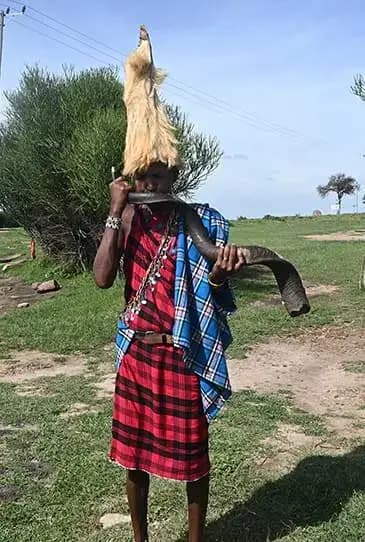
Experience
Maasai village visit
Visit a nearby Maasai village and meet the community.
View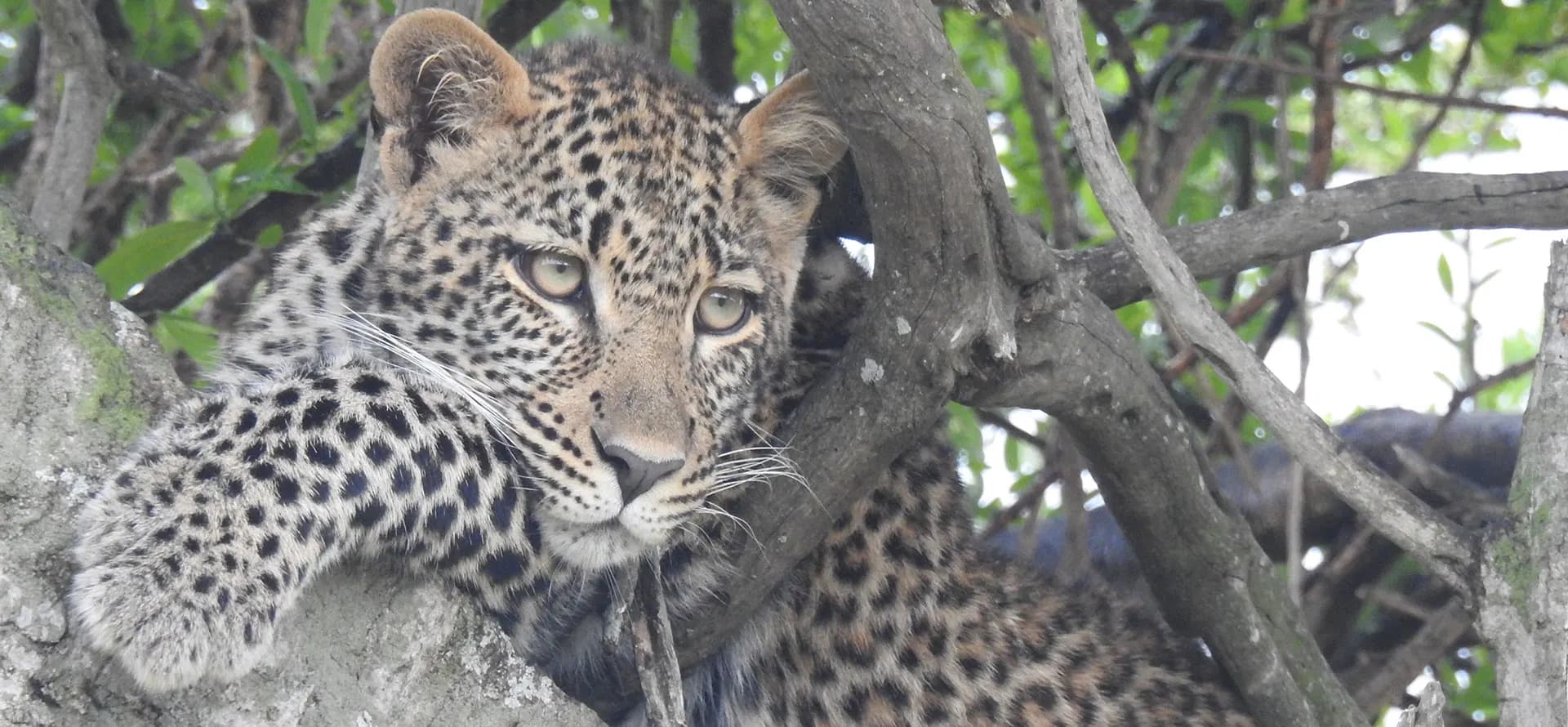
Safari · 3 nights / 4 days
Maasai Mara — 3 Nights
Two full days in the Mara by road from Nairobi, with a visit to a nearby Maasai village.
View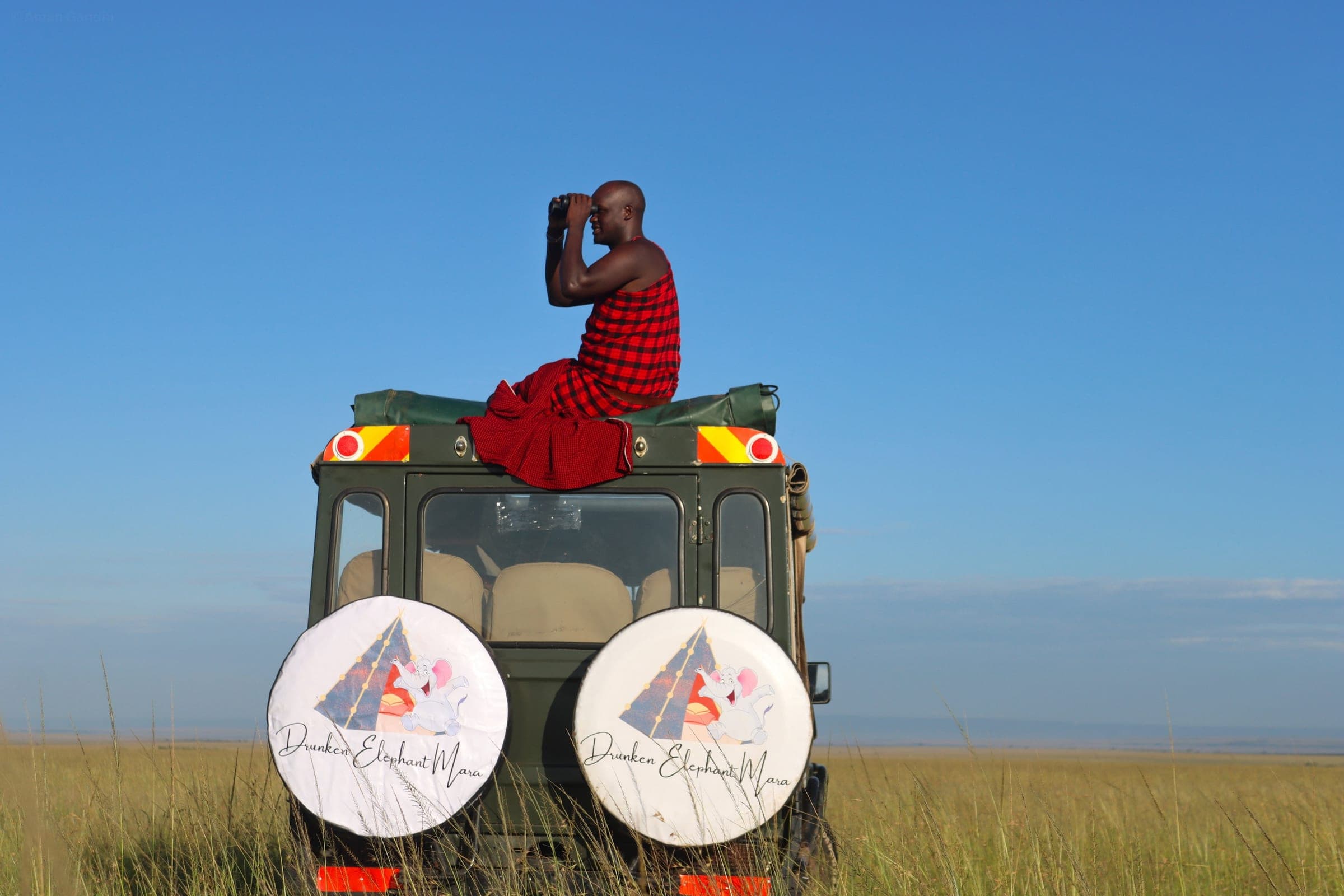
Experience
Game drives
Morning, afternoon and full-day drives into the Maasai Mara in search of the big five.
View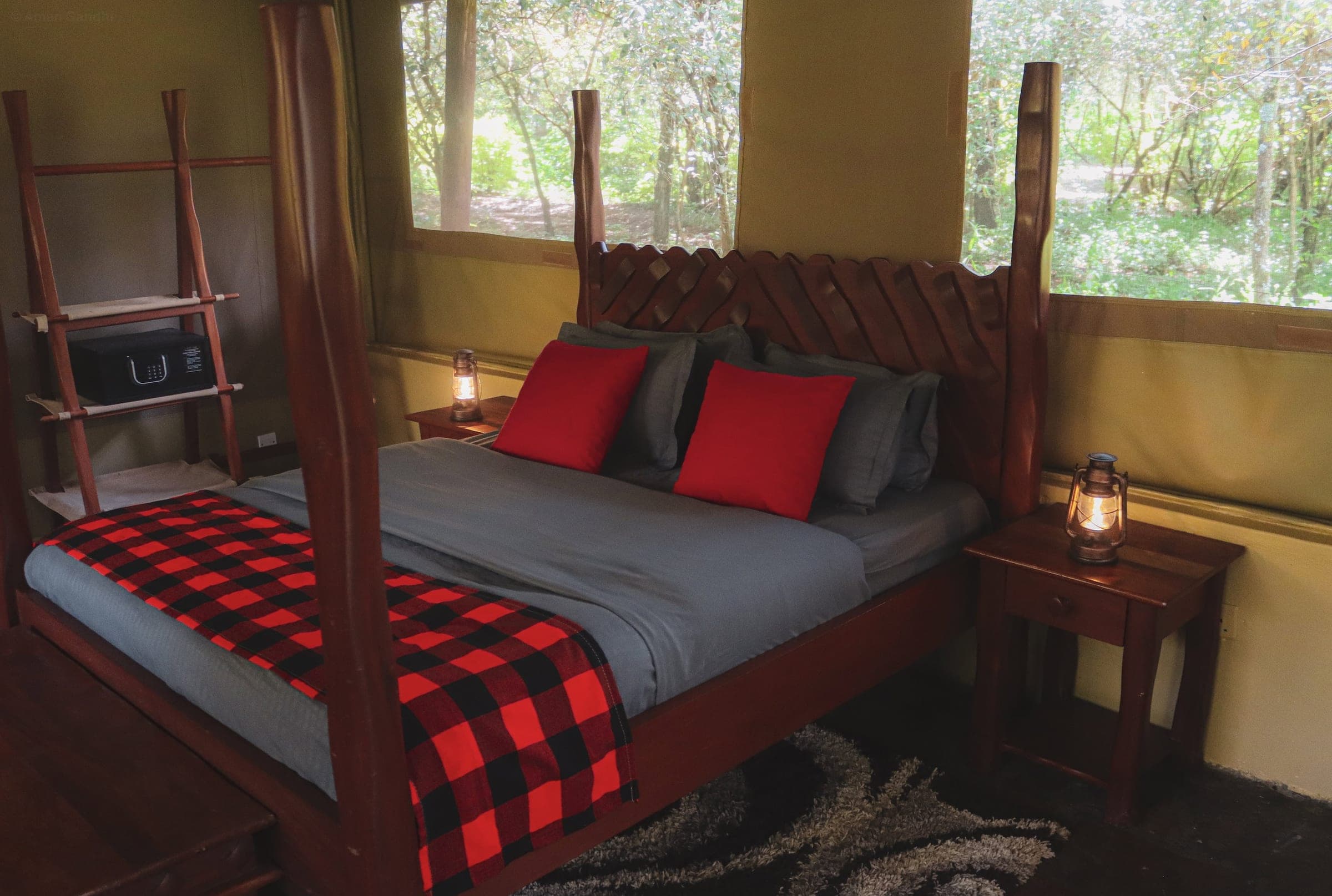
Stay · Sleeps 2
Double Tent
An elevated canvas tent for two, with its own verandah and en-suite bathroom.
View
4. Adjust the Fabric for Comfort
The best way to wear a shuka is to make sure it is comfortable and secure.
Avoid wrapping it so tightly that it restricts your movement. Ensure that the edges do not drag on the ground, particularly when walking outdoors.
If you are visiting a Maasai community, ask a local Maasai guide or host to demonstrate the appropriate way to wear the garment. This is an excellent opportunity to learn about the different styles from people who understand the tradition.
5. Complement the Shuka with Traditional Adornments
Maasai clothing is often complemented by distinctive beadwork.
Colourful necklaces, bracelets, earrings and other ornaments can form an important part of traditional attire. The designs and combinations may communicate cultural identity, age, social roles and important life events.
The relationship between the shuka and beadwork makes traditional Maasai clothing particularly distinctive.
Visitors should remember that different adornments have their own cultural significance. Learning about them from Maasai community members is more meaningful than treating them simply as fashion accessories.
What Do the Maasai Shuka Colours Mean?
The colours of a Maasai shuka are among its most recognisable features. Red is particularly associated with Maasai identity, but other colours also carry cultural associations.
It is important to understand that colour symbolism can vary according to the community, context and tradition. The meanings below are commonly documented associations rather than a fixed colour code followed by every Maasai person.
Red: Bravery, Strength and Unity
Red is perhaps the most recognisable colour associated with the Maasai shuka.
It is commonly connected with bravery, strength, unity and the blood that represents life and community bonds.
Red also has practical and historical associations with the Maasai way of life. It is a distinctive colour in the savannah landscape and has long been associated with traditional Maasai identity.
This is why red checked shukas are among the most familiar examples of traditional Maasai clothing.
Blue: The Sky and Water
Blue is commonly associated with the sky and water.
Water is essential to pastoral communities because livestock and people depend on it for survival. The association between blue and the sky reflects the importance of natural resources in everyday Maasai life.
Blue is also frequently used in Maasai beadwork and clothing combinations.
Green: Land and Natural Resources
Green is often associated with vegetation, grass, land and the natural resources that sustain communities and livestock.
For a pastoral community, healthy grazing land is important for cattle and other animals.
Green therefore has a meaningful connection with the environment and the natural world.
White: Peace and Health
White is commonly associated with peace, health and purity in documented Maasai colour symbolism.
It is also a prominent colour in traditional Maasai beadwork.
White beads can feature in elaborate necklaces and other ornaments, complementing the brighter colours used in traditional attire.
Black: The People and Life Experiences
Black is another important colour in Maasai cultural traditions.
It is associated in some interpretations with the people, their challenges and the experiences that shape community life.
Black also has particular associations with certain stages of life and traditional ceremonies.
Together, these colours demonstrate that Maasai clothing is about more than appearance. The colours and patterns form part of a wider cultural expression.
Shuka and Other Maasai Attire
The Maasai shuka is only one part of traditional Maasai clothing. Other garments, jewellery and accessories contribute to the distinctive appearance of Maasai men and women.
Maasai Beaded Necklaces
Beaded necklaces are among the most recognisable elements of Maasai adornment.
They are often made using colourful beads arranged into intricate patterns. Their colours, shapes and designs may communicate different aspects of identity, age and social relationships.
Some necklaces are associated with particular ceremonies and stages of life.
Bracelets and Earrings
Bracelets and earrings are also common elements of traditional Maasai adornment.
They can be made using beads, metal and other materials. Their designs vary according to individual preference and cultural context.
When worn with a Maasai shuka, these accessories create a distinctive combination of colours and textures.
Traditional Sandals
Traditional sandals are another element of Maasai clothing.
Some are made using leather, while modern versions may incorporate recycled materials such as rubber.
They are designed to be practical for walking across the varied terrain of the savannah.
Other Traditional Garments
Maasai attire also includes other wraps and garments that may be worn depending on the occasion, community and individual preference.
The way clothing is arranged can differ between men and women and across different stages of life.
Understanding these differences helps visitors appreciate that Maasai attire is a complete cultural tradition rather than a single style of dressing.
Can Visitors Wear a Maasai Shuka?
Yes, visitors can wear a Maasai shuka in appropriate circumstances, particularly when a Maasai host or community member invites them to participate in a cultural experience.
However, it is important to approach traditional clothing respectfully.
The shuka represents an important part of Maasai identity. Visitors should take time to understand its significance rather than treating it as a costume or an ordinary fashion accessory.
Here are a few ways to approach wearing one respectfully:
- Ask your Maasai host or guide before wearing the garment.
- Learn about the colours and patterns from community members.
- Follow the guidance provided when wrapping the cloth.
- Ask permission before photographing people wearing traditional attire.
- Respect ceremonial garments and accessories that may have particular cultural significance.
A cultural visit becomes more meaningful when visitors have the opportunity to learn directly from the people whose traditions they are experiencing.
Experience Maasai Culture During a Kenya Safari
A Kenya safari offers opportunities to experience much more than wildlife viewing. Cultural experiences can introduce visitors to the traditions, clothing, stories and everyday lives of communities living around safari destinations.
The Maasai shuka is one of the most visible expressions of this heritage. Learning how it is worn and understanding the associations behind its colours can make a visit to a Maasai community more informative and memorable.
At Safari Boyz, cultural experiences can form part of a wider Kenyan safari itinerary. Depending on your destination and arrangements, you can explore opportunities to visit Maasai communities, learn about traditional attire and experience local cultural practices.
When planning your safari, ask about the cultural activities available at your chosen destination and whether a community-led experience can be included.
The most rewarding cultural encounters are those that create opportunities for genuine learning, respectful interaction and appreciation of local heritage.
Frequently Asked Questions About Maasai Shukas
1. What is a Maasai shuka?
A Maasai shuka is a rectangular piece of cloth traditionally wrapped around the body by members of the Maasai community in Kenya and Tanzania. It is commonly recognised by its bright colours and checked patterns, especially red.
2. How do you wear a Maasai shuka?
A Maasai shuka can be draped over one shoulder and wrapped around the body, or used as a waist wrap or additional covering. The exact style varies according to individual preference, occasion and local tradition.
3. Why do the Maasai wear red?
Red is commonly associated with bravery, strength, unity and life in Maasai culture. It is also one of the most recognisable colours associated with traditional Maasai clothing.
4. Can visitors wear a Maasai shuka?
Yes. Visitors may wear a Maasai shuka when invited or guided by a local host. It is important to understand its cultural significance and wear it respectfully.
5. What is a Maasai shuka made of?
Modern Maasai shukas are commonly made from cotton fabric. They are available in different colours and checked patterns. Historically, Maasai clothing included garments made from animal hides and skins.
6. What do the different Maasai shuka colours represent?
Commonly documented associations include red for bravery and unity, blue for the sky and water, green for land and vegetation, white for peace and health, and black for the people and their life experiences. Interpretations can vary across communities and contexts.
7. Do Maasai men and women wear shukas differently?
Yes. Clothing styles can differ according to gender, age, community and occasion. Men and women may use the cloth in different wrapping styles, and other garments and accessories can form part of the overall attire.
8. Can you learn how to wear a Maasai shuka during a Kenya safari?
Yes. A community-led cultural visit may provide an opportunity to learn about traditional Maasai clothing and how the shuka is worn. Ask your safari operator about available experiences and local hosts.
Discover the Cultural Heritage of Kenya with Safari Boyz
The Maasai shuka is more than a colourful piece of cloth. It represents an important part of Maasai identity, history and everyday life.
Understanding how to wear a Maasai shuka and what its colours mean gives visitors a deeper appreciation of the traditions behind this iconic garment.
When planning your next Kenya safari, consider including a cultural experience that allows you to learn directly from local communities.
Contact Safari Boyz to explore Kenya safari itineraries and cultural experiences that bring you closer to the country’s remarkable wildlife, landscapes and heritage.
Questions and answers
What Is a Maasai Shuka?
A Maasai shuka is a rectangular piece of cloth traditionally wrapped around the body. It is commonly associated with the Maasai community of Kenya and northern Tanzania and is particularly recognisable for its bright colours and checked patterns. The cloth is practical as well as symbolic. It provides warmth during cool mornings, offers protection from the sun and can be adjusted to suit different activities and weather conditions. The shuka became widely associated with…
What Do the Maasai Shuka Colours Mean?
The colours of a Maasai shuka are among its most recognisable features. Red is particularly associated with Maasai identity, but other colours also carry cultural associations. It is important to understand that colour symbolism can vary according to the community, context and tradition. The meanings below are commonly documented associations rather than a fixed colour code followed by every Maasai person.
Can Visitors Wear a Maasai Shuka?
Yes, visitors can wear a Maasai shuka in appropriate circumstances, particularly when a Maasai host or community member invites them to participate in a cultural experience. However, it is important to approach traditional clothing respectfully. The shuka represents an important part of Maasai identity. Visitors should take time to understand its significance rather than treating it as a costume or an ordinary fashion accessory. Here are a few ways to approach wearing one…
Is the camp inside the Maasai Mara National Reserve?
No — the camp sits in its own pocket of forest just outside the reserve, about two kilometres from Sekenani Gate. That means quiet nights in the bush, and guided walks and Maasai village visits that the reserve itself does not allow.
When is the best time to visit the Masai Mara?
July to October is peak season, when the Great Migration’s wildebeest and zebra are generally in the Mara — with the chance of river crossings at its highest in August and September, though the Mara follows no script and no sighting can be promised. January to March is dry with good predator viewing and fewer vehicles; April and May bring the long rains — green, quiet and better value. Resident wildlife is here all year.