
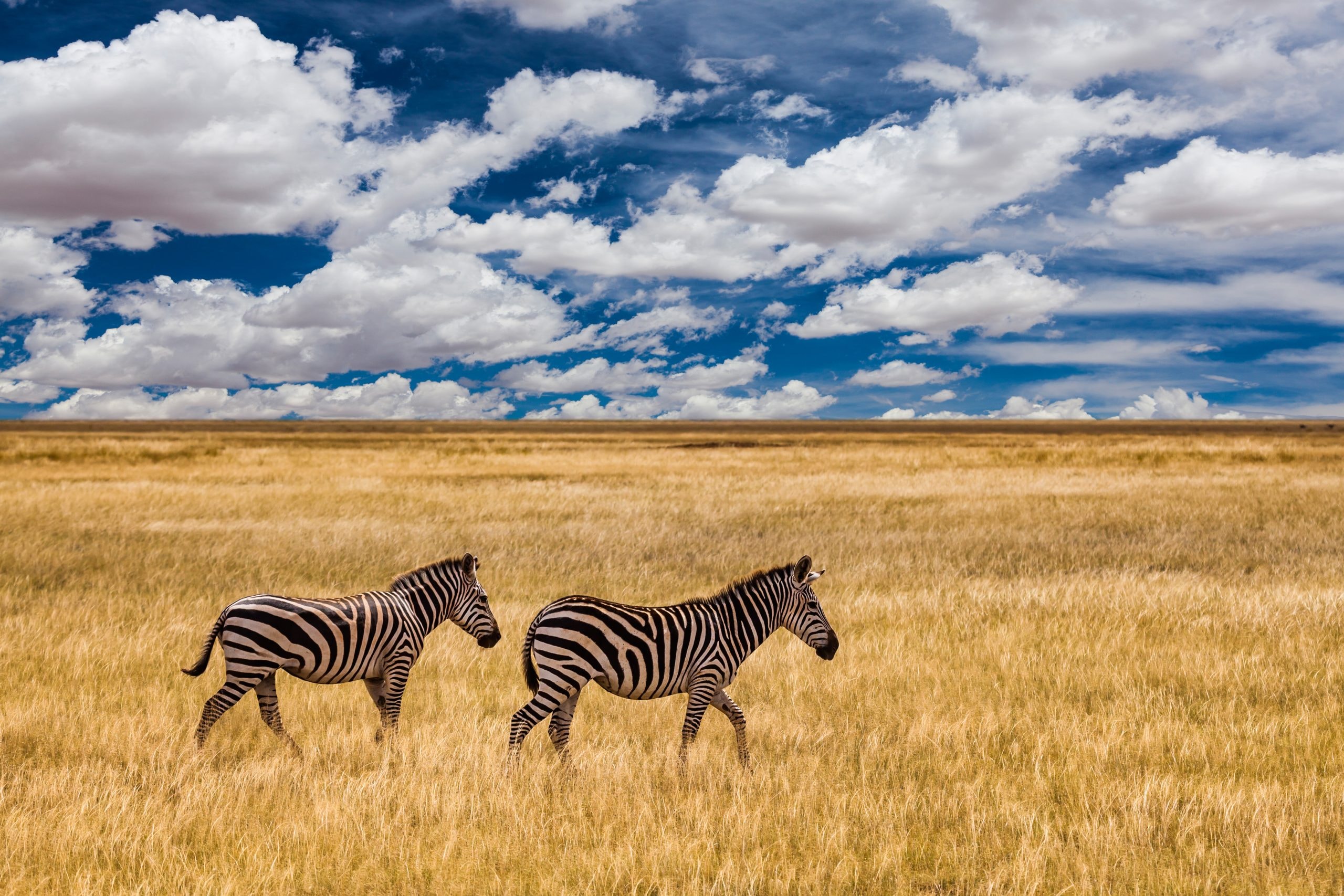
A Masai Mara horse-riding safari is not like any other safari. There are no engines and no glass windows, only the steady rhythm of hooves and the open savannah ahead. Imagine riding beside zebras at sunrise, or watching elephants move quietly through the tall grass.
Why are horseback safaris special?
Unlike a vehicle, a horse moves quietly across the plains. Many animals see the horse rather than the rider, so you can often get closer. The guides know the terrain well and follow safe routes through the conservancies and open grassland.
The horses are used to the bush and calm around wildlife. Riders often say it feels like becoming part of the landscape.
At Drunken Elephant Mara
Stay and do this at the camp
20 rooms under canvas in natural forest, about two kilometres from Sekenani Gate.
Experience
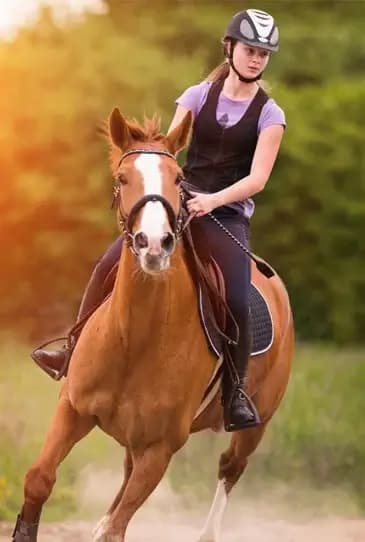
Horse riding
See the Mara on horseback, with a guide.
View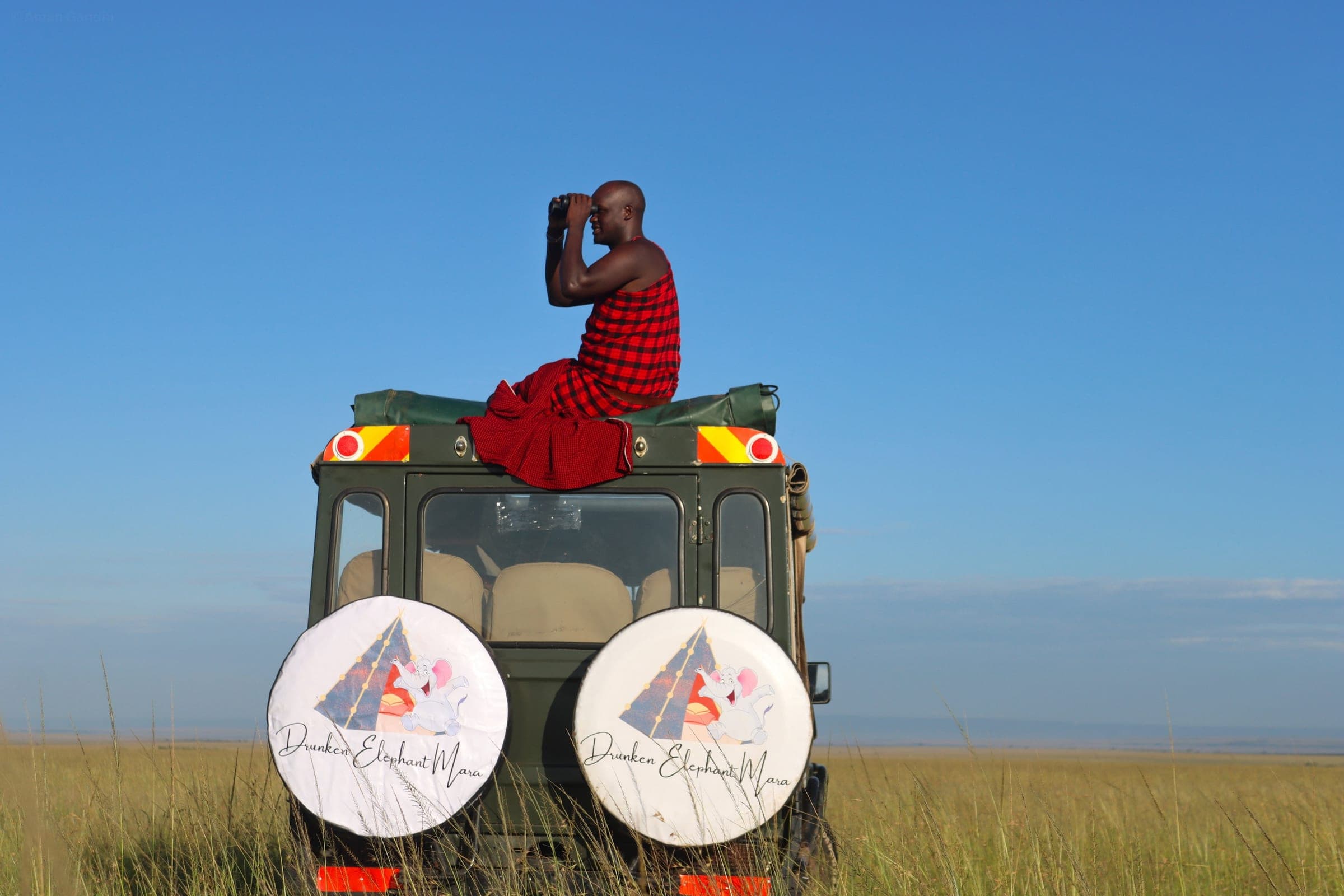
Experience
Game drives
Morning, afternoon and full-day drives into the Maasai Mara in search of the big five.
View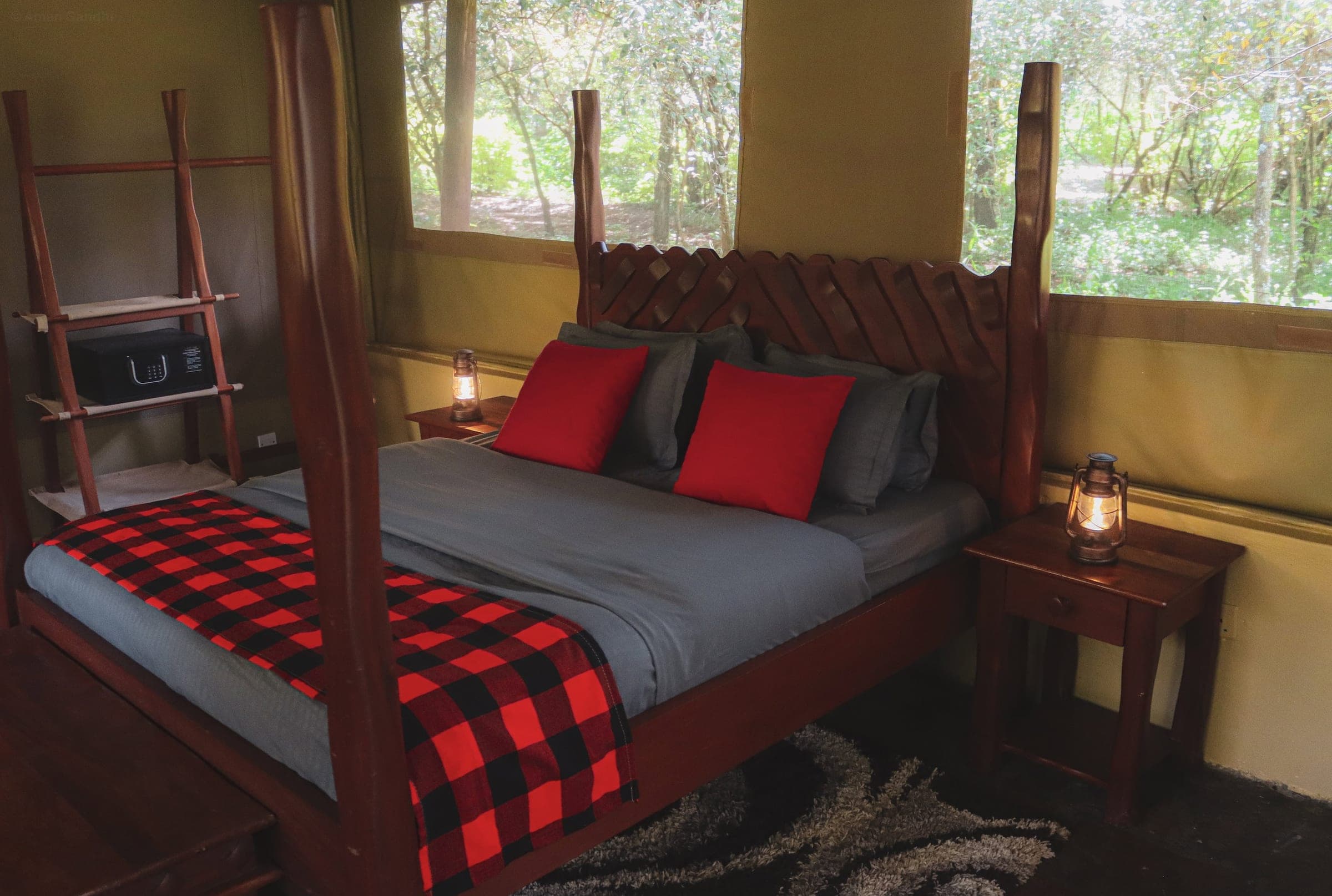
Stay · Sleeps 2
Double Tent
An elevated canvas tent for two, with its own verandah and en-suite bathroom.
View
Safari · 3 nights / 4 days
Maasai Mara — 3 Nights
Two full days in the Mara by road from Nairobi, with a visit to a nearby Maasai village.
View
What happens on a ride?
Most rides last one to three hours; some operators offer longer rides and full-day trails. You get a short briefing and the essential gear before you set off. Experienced riders can look at multi-day rides between camps, while beginners can join shorter, easy-paced rides. Always share your riding level in advance, so the guides can choose the right horse and route.
When is the best time to ride in the Masai Mara?
July to October brings the great migration, with wildebeest, zebras and predators across the plains, and the dry months give clear, warm riding days. In the green season, from November to March, the land turns lush with wildflowers, ideal for quieter rides and birdwatching.
Stay at Drunken Elephant Mara
Book your ride with us and combine it with a balloon safari, nature walks and game drives. Guests stay in en-suite tents with solar light and home-cooked meals, near Sekenani Gate. See our safari packages.
Questions and answers
Why are horseback safaris special?
Unlike a vehicle, a horse moves quietly across the plains. Many animals see the horse rather than the rider, so you can often get closer. The guides know the terrain well and follow safe routes through the conservancies and open grassland. The horses are used to the bush and calm around wildlife. Riders often say it feels like becoming part of the landscape.
What happens on a ride?
Most rides last one to three hours; some operators offer longer rides and full-day trails. You get a short briefing and the essential gear before you set off. Experienced riders can look at multi-day rides between camps, while beginners can join shorter, easy-paced rides. Always share your riding level in advance, so the guides can choose the right horse and route.
When is the best time to ride in the Masai Mara?
July to October brings the great migration, with wildebeest, zebras and predators across the plains, and the dry months give clear, warm riding days. In the green season, from November to March, the land turns lush with wildflowers, ideal for quieter rides and birdwatching.
Can I do a hot-air balloon safari or ride a horse?
Yes. Balloons lift off at dawn and drift over the plains for about an hour, ending with a bush breakfast — flights are run by licensed operators and booked as an extra. Guided nature walks and horse rides for suitable riders happen outside the reserve, where walking and riding are allowed.