
Safari Etiquette: Essential Dos and Don’ts When Visiting the Maasai Mara
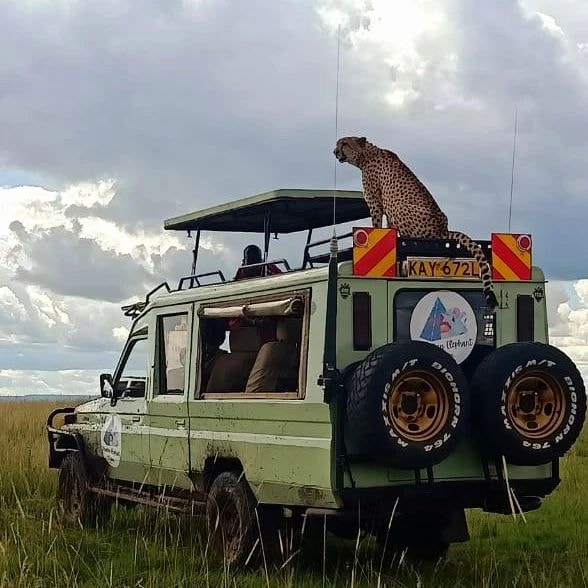
When visiting the Maasai Mara, it is important to be respectful of the local culture and customs. Here are some dos and don’ts to keep in mind:
Do’s:
1. Respect the Maasai people: The Maasai are known for their rich cultural heritage. Respect their traditions, customs, and way of life. Greet them politely and ask for permission before taking photographs.
At Drunken Elephant Mara
Stay and do this at the camp
20 rooms under canvas in natural forest, about two kilometres from Sekenani Gate.
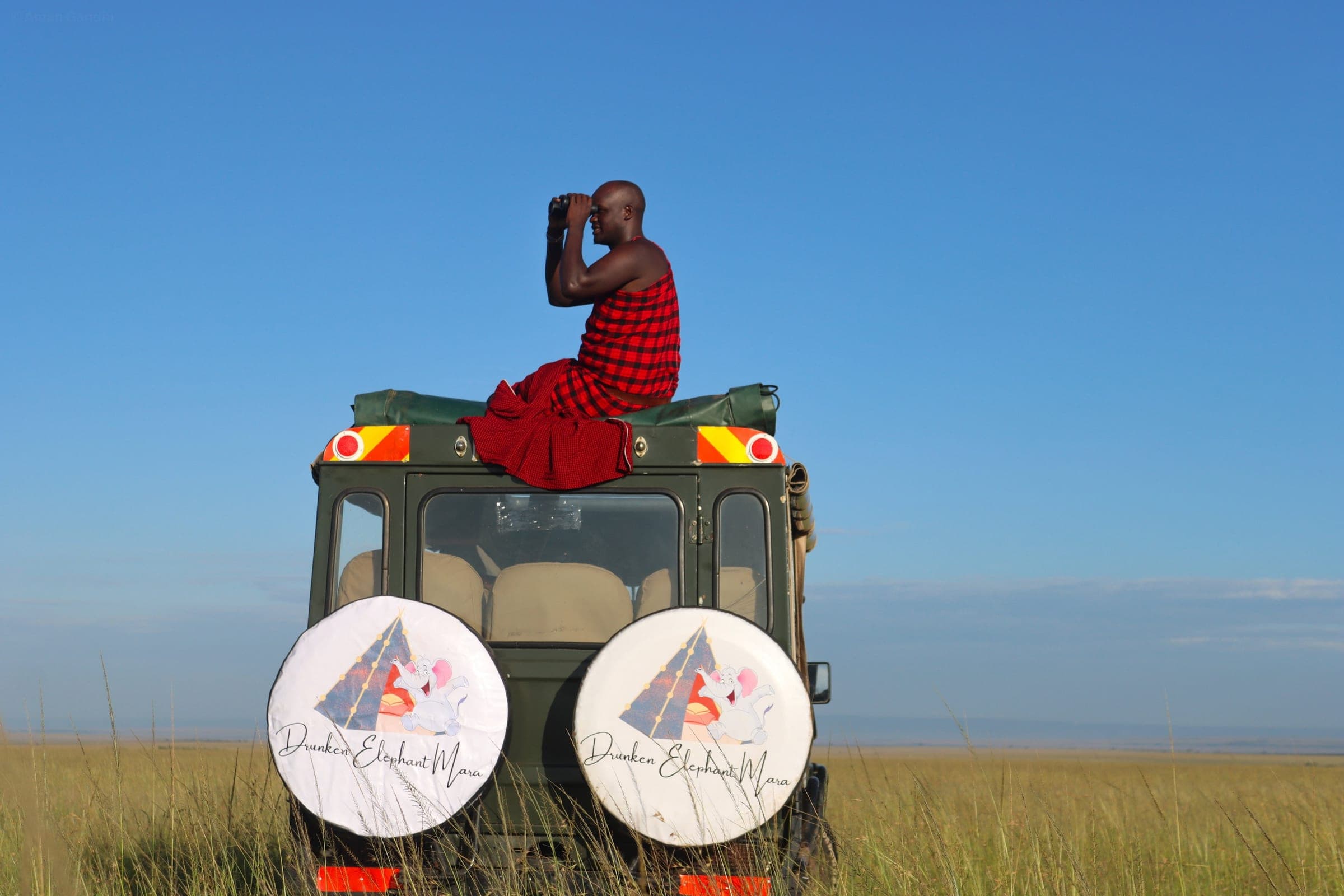
Experience
Game drives
Morning, afternoon and full-day drives into the Maasai Mara in search of the big five.
View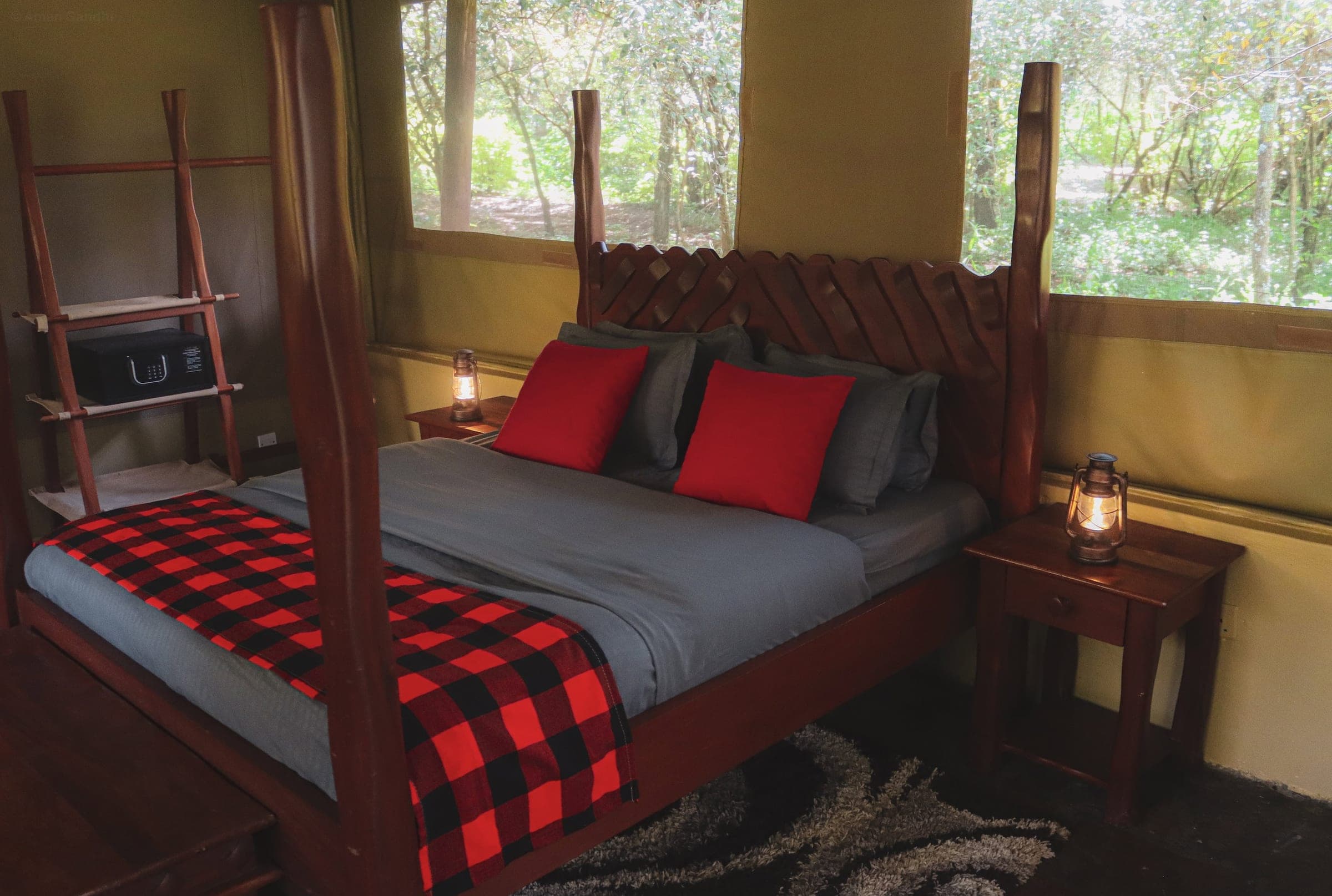
Stay · Sleeps 2
Double Tent
An elevated canvas tent for two, with its own verandah and en-suite bathroom.
View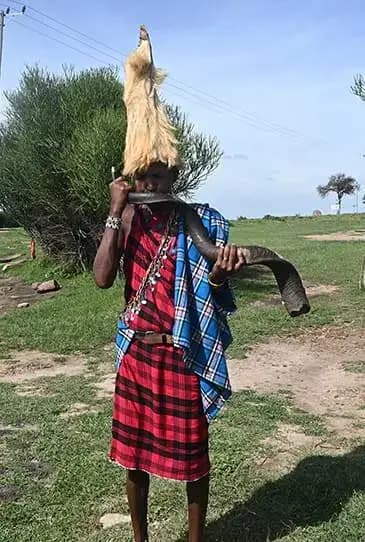
Experience
Maasai village visit
Visit a nearby Maasai village and meet the community.
View
Safari · 3 nights / 4 days
Maasai Mara — 3 Nights
Two full days in the Mara by road from Nairobi, with a visit to a nearby Maasai village.
View
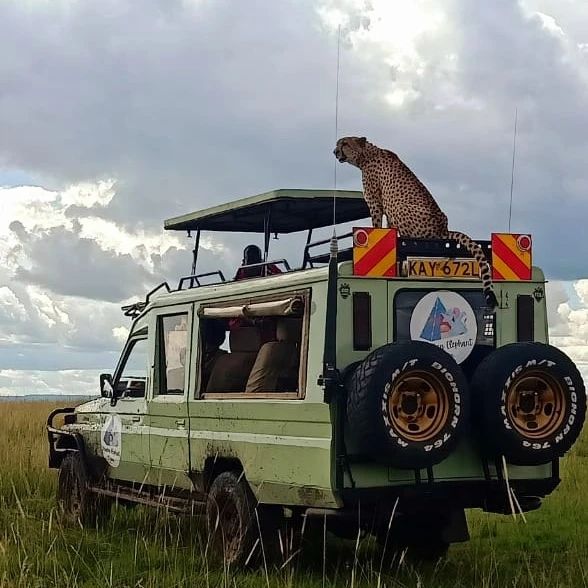
2. Follow your guide’s instructions: If you are on a guided tour or safari, listen to your guide’s instructions and follow them closely. They are experienced and knowledgeable about the area and wildlife, ensuring your safety and minimizing disturbance to the environment.
3. Take proper safety precautions: While experiencing the Maasai Mara, prioritize your safety and that of the wildlife. Be cautious during game drives, keep a safe distance from animals, and do not get out of the vehicle unless your guide permits it.
4. Dress appropriately: When visiting the Maasai Mara, opt for comfortable, light-colored clothing suitable for the climate. It is also respectful to dress modestly out of consideration for the local culture.
Don’ts:
1. Disrupt the wildlife: During game drives or encounters with wildlife, avoid making sudden movements, loud noises, or approaching too closely. Respect the natural habitat of animals and do not interfere with their behavior.
2. Dispose of litter irresponsibly: Help keep the environment clean by properly disposing of any trash you have. Carry a bag for your waste and dispose of it in designated areas or back at your accommodation.
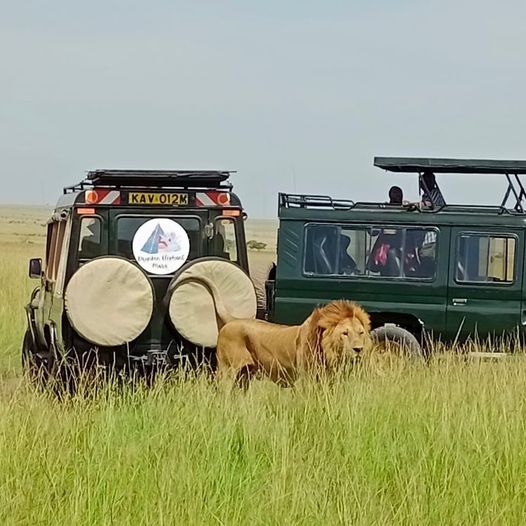
3. Touch or feed the animals: It is crucial to maintain a safe distance from wildlife and refrain from touching or feeding them. These are wild animals, and interfering with their natural behaviors can be dangerous for both you and the animals.
4. Disrespect local customs: Be aware and respectful of cultural practices in the Maasai Mara. Avoid any behavior that may be deemed disrespectful or offensive. Seek guidance from your guide or local community members if you are unsure about appropriate behavior.
By following these dos and don’ts, you can have a respectful and enjoyable experience while visiting the Maasai Mara, contributing to the preservation of this beautiful ecosystem and its cultural heritage.
Questions guests ask
When is the best time to visit the Masai Mara?
July to October is peak season, when the Great Migration’s wildebeest and zebra are generally in the Mara — with the chance of river crossings at its highest in August and September, though the Mara follows no script and no sighting can be promised. January to March is dry with good predator viewing and fewer vehicles; April and May bring the long rains — green, quiet and better value. Resident wildlife is here all year.