

The Great Migration is an extraordinary wildlife event on the planet. This phenomenon can turn safari experiences in ways few natural events can. The millions of wildebeest, zebras, and gazelles move across the Serengeti–Masai Mara ecosystem every year in search of fresh grazing and water. This natural movement dramatically shapes what the travelers see, when they see it, and how immersive their safari becomes.
How to Define the Great Migration?
The Great Migration is a year-round circular wildlife movement driven by rainfall patterns rather than a single moment in time. While it is often connected with river crossings, the migration influences wildlife behaviour across seasons, which makes safari viewing dynamic and unpredictable.
Increased Wildlife Density on the Plains
When migrating wildlife herds arrive in the Masai Mara, the landscape comes alive. Expansive open plains become filled with thousands of animals moving together, grazing, resting, and staying alert for predators.
This wildlife movement significantly improves sighting opportunities during Masai Mara game drives. It makes animals easier to spot, and interactions occur more frequently. Rather than searching large areas for isolated sightings, travellers often witness continuous action unfolding across the savannah.
Intensifying Predator Activity
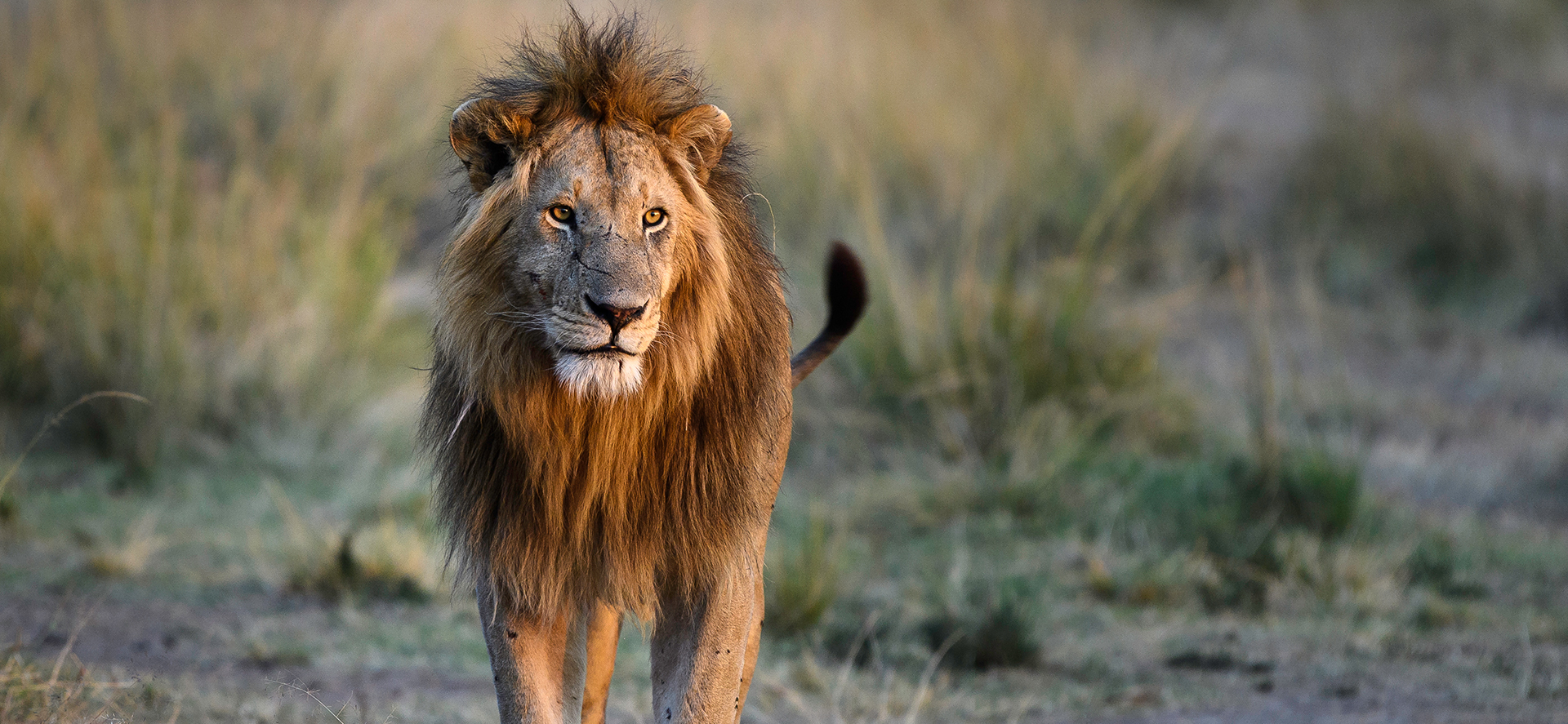
Where prey gathers, predators follow. Lions, cheetahs, leopards, hyenas, and crocodiles get more active during migration periods. The abundance of food results in frequent hunts, territorial disputes, and dramatic chases.
This heightened predator-prey interaction can create powerful viewing moments that photographers and wildlife enthusiasts find unforgettable. Even outside peak hunting scenes, the presence of predators can add anticipation and excitement to every safari outing.
Creating Iconic Safari Moments
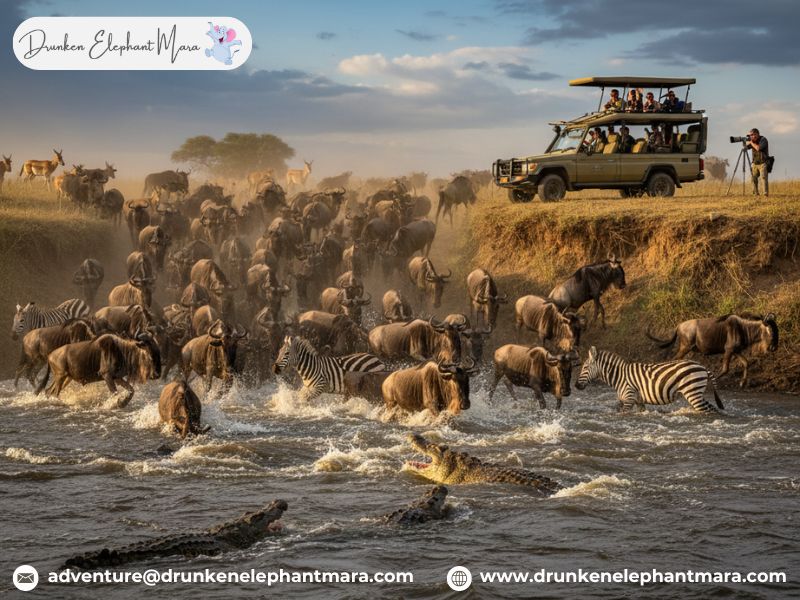
River crossings are the anticipated aspect of the Great Migration. When herds approach rivers like the Mara, tension builds. Wild animals hesitate, gather, and eventually plunge into fast-moving waters filled with crocodiles.
While river crossings are unpredictable and cannot be guaranteed, their possibility can add a thrilling element to safari experiences. Being present during one of these crossings can be a once-in-a-lifetime highlight.
How Seasonal Timing Shapes the Experience?
The impact of the Great Migration depends on timing. Different months offer different viewing experiences.
- Early migration periods include calving and newborn wildlife.
- Peak months bring massive herd movements and predators into action.
- Later stages offer peaceful and scenic game viewing with fewer crowds
Travelers should know the best time to visit the Masai Mara that can make it easy for them to align their expectations with the type of experience they want. Whether they seek dramatic encounters or peaceful observation, the Masai Mara Game Reserve won’t disappoint at all.
Accommodation Matters More during Migration
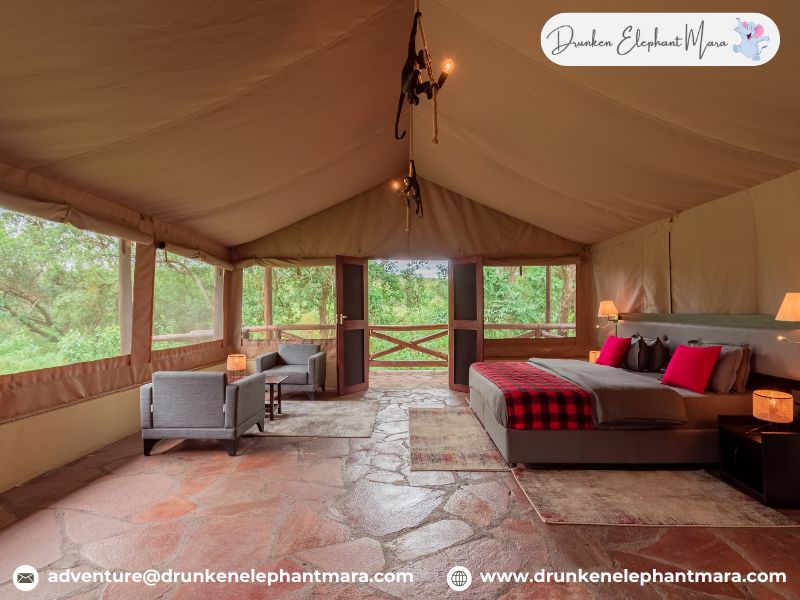
Choosing the right Kenya safari lodge is important during migration periods. Lodges located near the important wildlife corridors reduce travel time and increase the chances of witnessing active migration behaviour early in the morning or late in the evening. Proximity to wildlife often leads to more time observing and less time driving.
Final Consideration –
The Great Migration transforms the entire safari experience. From dense wildlife gatherings and intensified predator activity to unforgettable river crossings, migration season offers drama and authenticity that truly defines African safaris.
Whether you’re planning your first journey or returning for a deeper experience, consider planning through Drunken Elephant Mara. Let us help you create more rewarding and memorable adventure experiences in the Masai Mara.
Recent Posts

Do You Really Know What Happens During a Game Drive?
March 21, 2026
Capturing the Savannah: A Photographer’s Perspective
February 25, 2026
Why Smaller Camps Offer a Better Safari Experience
February 23, 2026

Sleeping in the Wild: What It’s Actually Like
February 23, 2026
How to See Wildlife from the Sky in the Masai Mara?
January 19, 2026